

Explore the biology of these amazing animals!
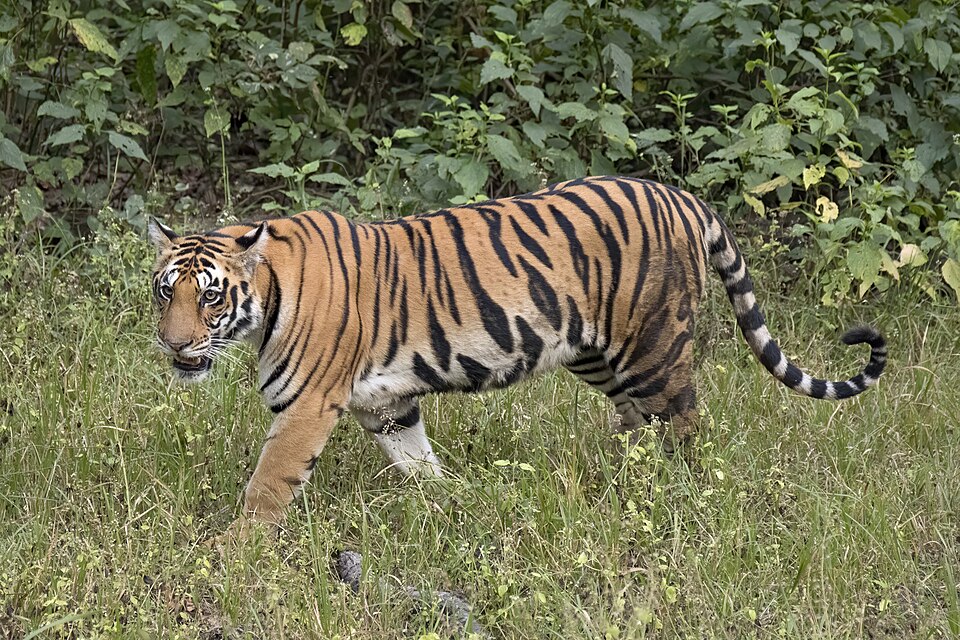
Scientific name: Panthera tigris
Group: Mammal
Habitat: Forests, grasslands and mangroves
Diet: Mainly deer, wild boar and other medium-sized animals
Lifespan: 10–15 years in the wild
Size: Up to about 3.3 metres long
Conservation Status: Endangered
Fun Fact: Every tiger has a unique stripe pattern.
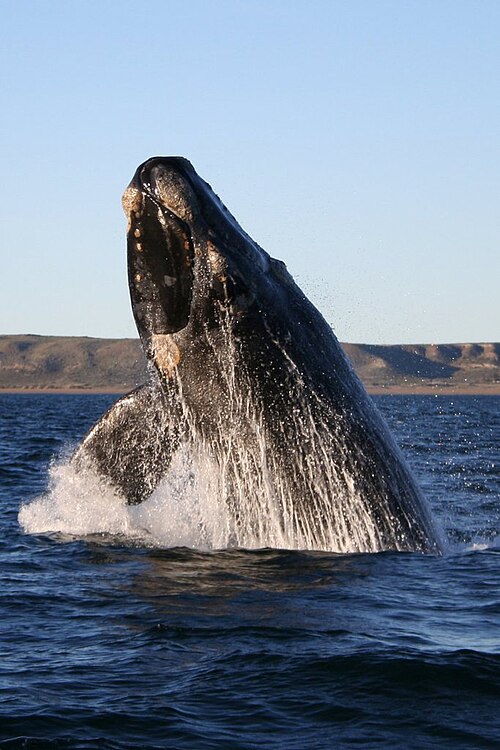
Scientific name: Balaenoptera musculus
Group: Mammal
Habitat: Oceans around the world
Diet: Mainly krill and other tiny crustaceans
Lifespan: About 70–90 years
Size: Up to about 30 metres long
Conservation Status: Endangered
Fun Fact: The blue whale is the largest known animal to have ever lived.
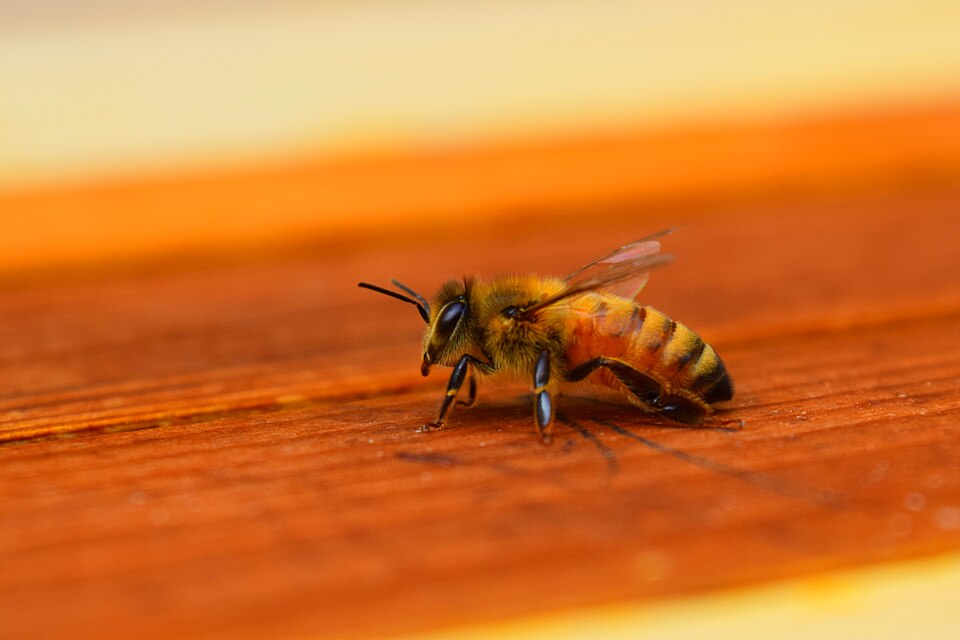
Scientific name: Apis mellifera
Group: Insect
Habitat: Grasslands, forests, gardens and farms
Diet: Nectar and pollen from flowers
Lifespan: Several weeks to months for worker bees
Size: About 1–1.5 centimetres long
Conservation Status: Not Evaluated
Fun Fact: Honey bees can communicate the location of food using a waggle dance.

Scientific name: Haliaeetus leucocephalus
Group: Bird
Habitat: Forests near lakes, rivers and coasts
Diet: Mainly fish, but also birds, mammals and carrion
Lifespan: About 20–30 years in the wild
Size: About 70–100 centimetres long
Conservation Status: Least Concern
Fun Fact: Bald eagles have powerful talons for catching prey.
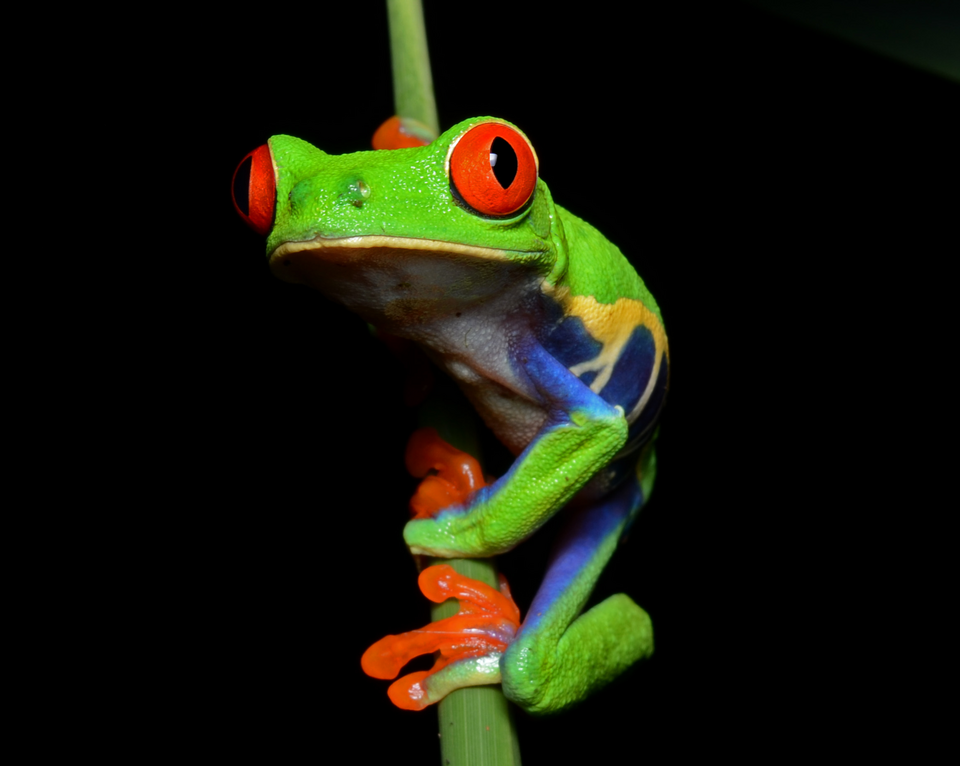
Scientific name: Agalychnis callidryas
Group: Amphibian
Habitat: Tropical rainforests near freshwater
Diet: Mainly insects and other small invertebrates
Lifespan: About 5 years in the wild
Size: About 4–7 centimetres long
Conservation Status: Least Concern
Fun Fact: Its bright red eyes can startle predators.
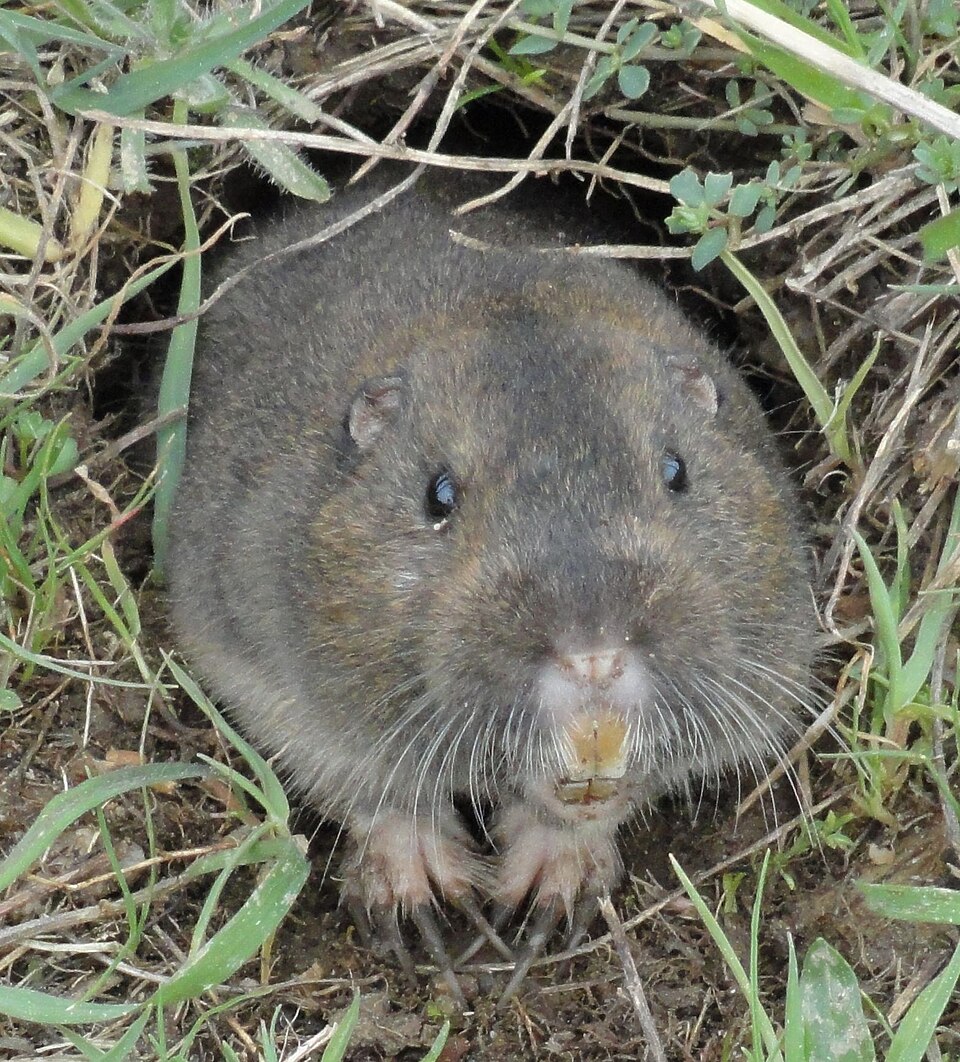
Scientific name: Geomys bursarius
Group: Mammal
Habitat: Grasslands and open areas with suitable soil
Diet: Roots, tubers, grasses and other plant material
Lifespan: Up to about 7 years
Size: About 19–36 centimetres long
Conservation Status: Least Concern
Fun Fact: Gophers spend much of their lives underground in burrow systems.
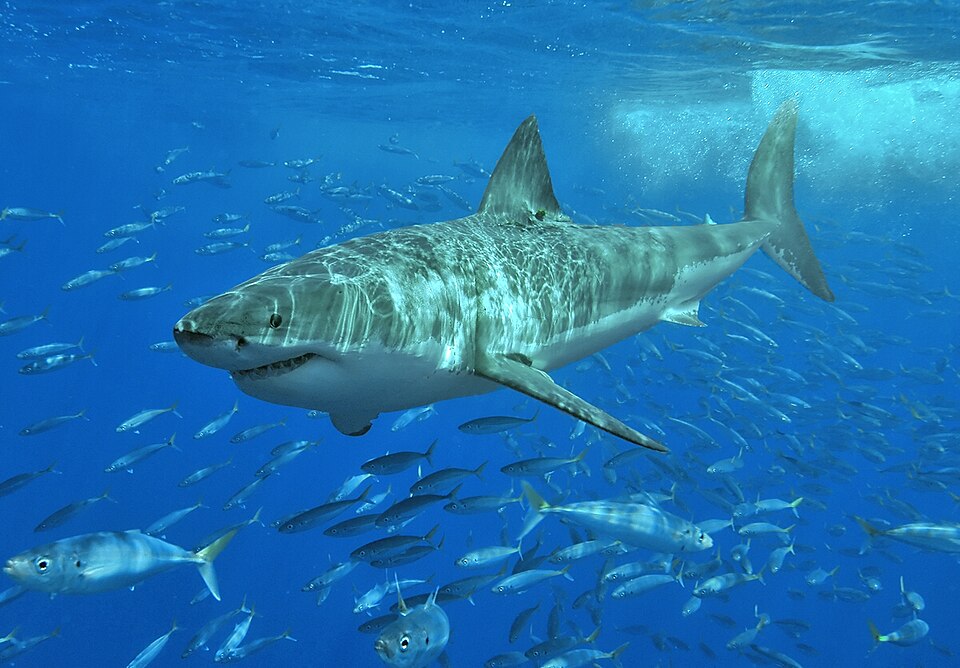
Scientific name: Carcharodon carcharias
Group: Fish
Habitat: Coastal and offshore ocean waters
Diet: Fish, rays, seals, sea lions, turtles and other marine animals
Lifespan: About 60–70 years
Size: Up to around 6 metres long
Conservation Status: Vulnerable
Fun Fact: Great white sharks can detect tiny amounts of chemicals in water.
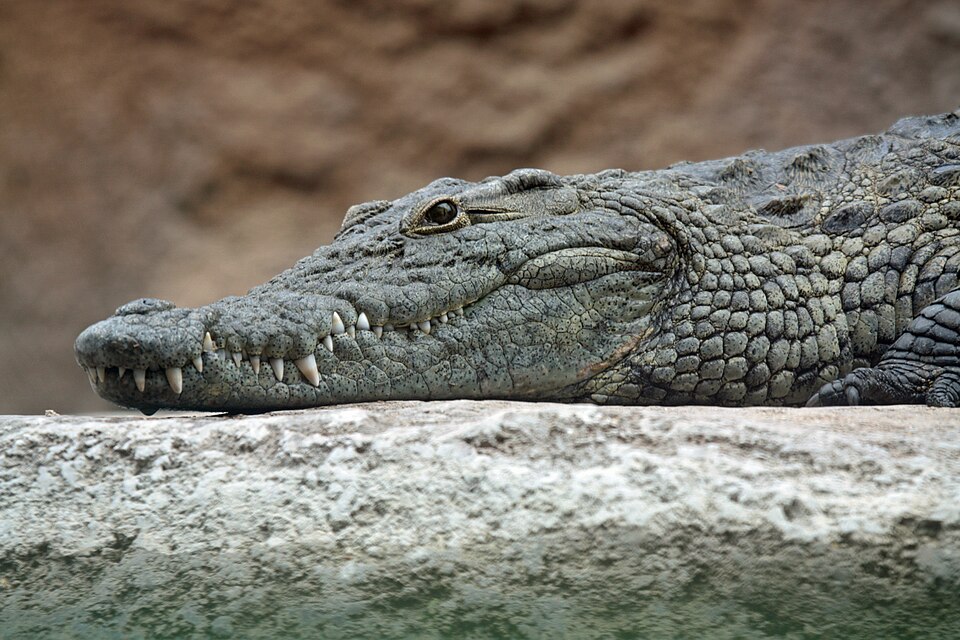
Scientific name: Crocodylus porosus
Group: Reptile
Habitat: Rivers, wetlands, estuaries and coastal waters
Diet: Fish, birds, mammals, reptiles and other animals
Lifespan: About 70 years or more
Size: Up to about 6 metres long
Conservation Status: Least Concern
Fun Fact: Saltwater crocodiles are the largest living reptiles.